
Wellness Insights
Expert guidance for healthier, more energized living.
Reset Your Clock: Why Sleep is Your Most Powerful Fat-Burning Tool
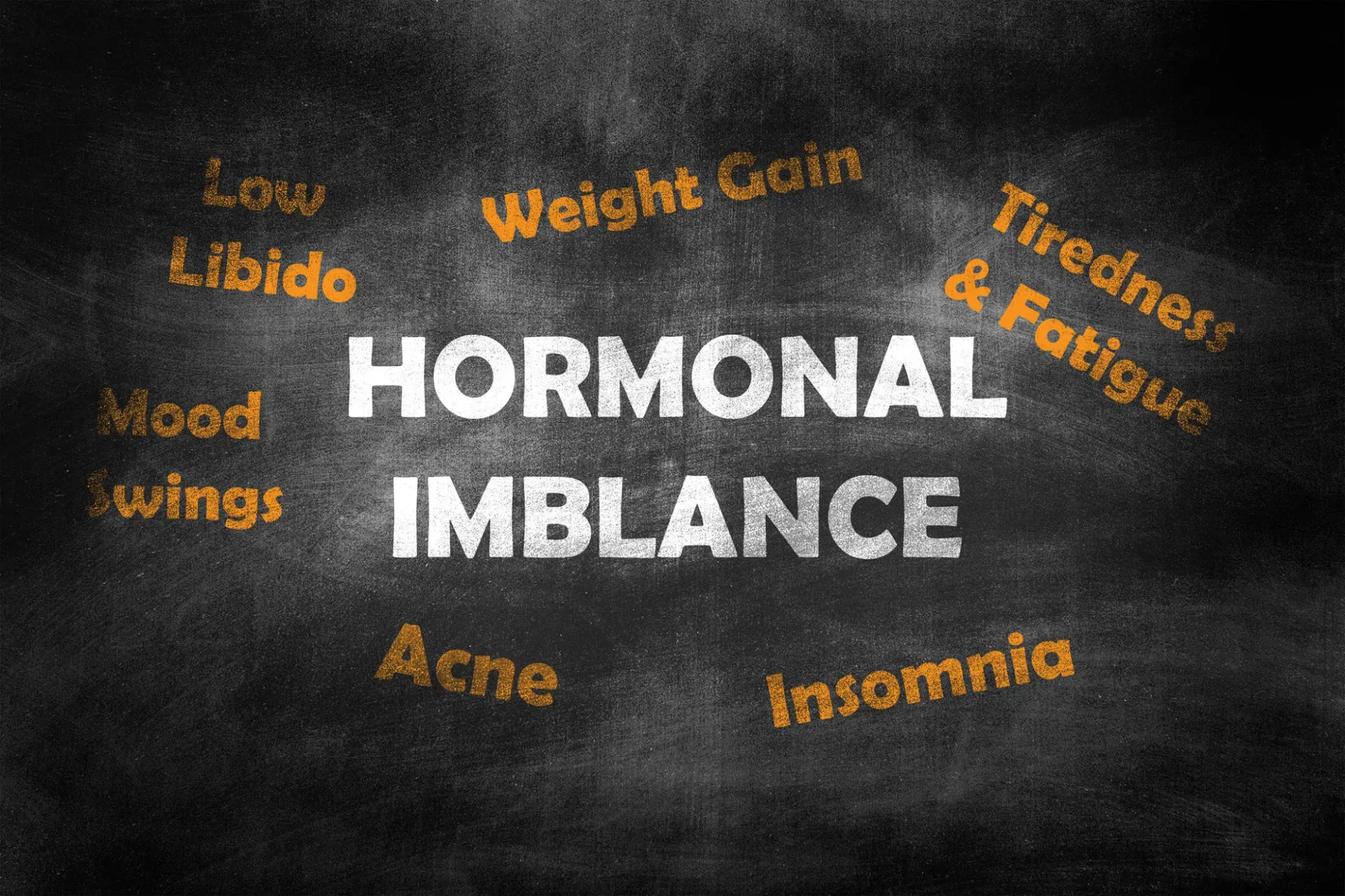
If you are consistently exercising and eating well but the scale refuses to budge, the missing piece of your wellness puzzle might be something you do for eight hours every night: sleep. At Restore Wellness Center, we recognize that sustainable weight loss is not just about diet and movement; it’s governed by internal chemistry, specifically the balanced rhythm of your hormones and your Circadian Rhythm—your body’s internal 24-hour clock.
Disruptions to this natural clock, common in our busy, modern lives, can throw key hormones like cortisol into chaos, creating a powerful biological signal to store fat, regardless of your healthy habits.
Here is a detailed look at the critical connection between your circadian rhythm, stress hormones, sleep quality, and your ability to manage your weight effectively.
The Master Regulator: Your Circadian Rhythm
Every cell in your body, from your brain to your fat cells, follows a daily timetable managed by the Circadian Rhythm. This rhythm dictates when you are alert, when you are hungry, and when your body shifts into repair mode.
The most critical hormones governed by this rhythm are:
- Melatonin: The darkness hormone, which initiates sleep.
- Cortisol: The stress/alertness hormone, which should spike in the morning to wake you up and gradually taper off throughout the day.
- Leptin and Ghrelin: The satiety (fullness) and hunger hormones.
When your sleep schedule, eating times, or light exposure clash with this natural cycle, the entire system malfunctions, leading directly to metabolic dysfunction and weight gain.
1. Cortisol Chaos: The Fat-Storage Hormone
Cortisol is essential for life, designed to give you a necessary burst of energy (the “fight or flight” response). Normally, cortisol is highest around 8:00 AM and lowest around midnight. Sleep deprivation and chronic stress completely disrupt this pattern.
- The Disruption: When you get insufficient sleep (less than seven hours) or experience chronic stress, your body pumps out cortisol long past its daytime peak. High cortisol in the evening or throughout the night actively prevents deep, restorative sleep.
- The Weight Consequence: High nighttime cortisol signals danger and tells your body to store visceral fat (the dangerous fat around your organs). It also increases blood sugar and insulin resistance, making it nearly impossible for the body to switch into fat-burning mode overnight. You are essentially asking your body to lose weight while it is hormonally programmed for survival and storage.
2. The Appetite Imbalance: Leptin and Ghrelin Hijacked
The hormones that control your hunger signals are highly dependent on adequate, timely sleep.
- Leptin (The Satiety Hormone): Leptin is produced by fat cells and tells your brain you are full. Leptin levels should be high after dinner and remain elevated overnight.
- Ghrelin (The Hunger Hormone): Ghrelin tells your brain you are hungry. Ghrelin levels should be lowest in the evening.
- The Weight Consequence: Studies consistently show that just one night of poor sleep causes leptin levels to drop and ghrelin levels to rise. This dual action means you wake up feeling hungrier than normal and less satisfied after meals, leading to overeating and intense cravings for high-carb, high-sugar foods the following day—foods that perpetuate the cycle of blood sugar spikes and crashes.
3. Impact on Insulin Sensitivity
Sleep is the time when your body cleans up and restores cellular communication. When sleep is inadequate, your cells become less responsive to insulin.
- The Disruption: Poor sleep leads to a systemic increase in inflammation. Inflammation directly interferes with insulin receptors on your cells, causing insulin resistance.
- The Weight Consequence: When your body is insulin resistant, blood sugar stays high, and your pancreas overproduces insulin. As discussed in previous posts, high insulin is the primary signal for fat storage. Your late-night scrolling might directly be making your fat cells greedier.
The Restore Wellness Approach: Optimizing Your Rhythm
At Restore Wellness Center, we treat sleep not as a luxury, but as the foundational pillar of metabolic health. Our approach integrates Circadian Rhythm optimization into all our therapies, including Hormone Replacement Therapy (HRT) and Weight Loss programs.
- Cortisol Pattern Testing: We perform specialized testing to map your diurnal cortisol curve, identifying exactly when your stress hormones are peaking.
- Hormone Balance: We use HRT to optimize hormones like progesterone (which aids sleep) and correct deficiencies that may be disrupting your rhythm.
- Peptide Therapy: Certain peptides can support deep sleep (delta wave sleep) and enhance recovery, helping to reset the natural hormonal cascade.
- Light and Timing Protocols: We provide specific guidance on light exposure (getting sunlight first thing in the morning and blocking blue light in the evening) and meal timing to reinforce a healthy circadian cycle.
By stabilizing your hormones and honoring your body’s natural rhythm, we remove the internal signal for fat storage, allowing your body to finally respond effectively to diet and exercise.
✅ Ready to Feel Restored?
If you are consistently fighting stress, sleep deprivation, and stubborn weight, it’s time to stop treating symptoms and address the root cause of your metabolic imbalance.
References:
- Sleep, Ghrelin, and Leptin: Spiegel, K., Tasali, E., Pincus, S. M., et al. (2004). Brief sleep restriction elevates morning appetite-regulating hormone ghrelin. The Journal of Clinical Endocrinology & Metabolism, 89(5), 2163–2170.
- Sleep Restriction and Insulin Resistance: Van Cauter, E., et al. (2008). Impact of sleep and sleep loss on neuroendocrine and metabolic function. Endocrine Reviews, 29(1), 1–25.
- Cortisol and Circadian Rhythm: Leproult, R., et al. (1997). Sleep loss results in an elevation of cortisol levels the next evening. Sleep, 20(10), 865–870.
- Weight Gain and Sleep Deprivation: Patel, S. R., & Hu, F. B. (2008). Short sleep duration and weight gain: a systematic review. Obesity (Silver Spring, Md.), 16(3), 643–653.